26 Jun 2026
Verification Layers Enable Precise Bonus Pathway Mapping in Cross-Device Casino Platforms
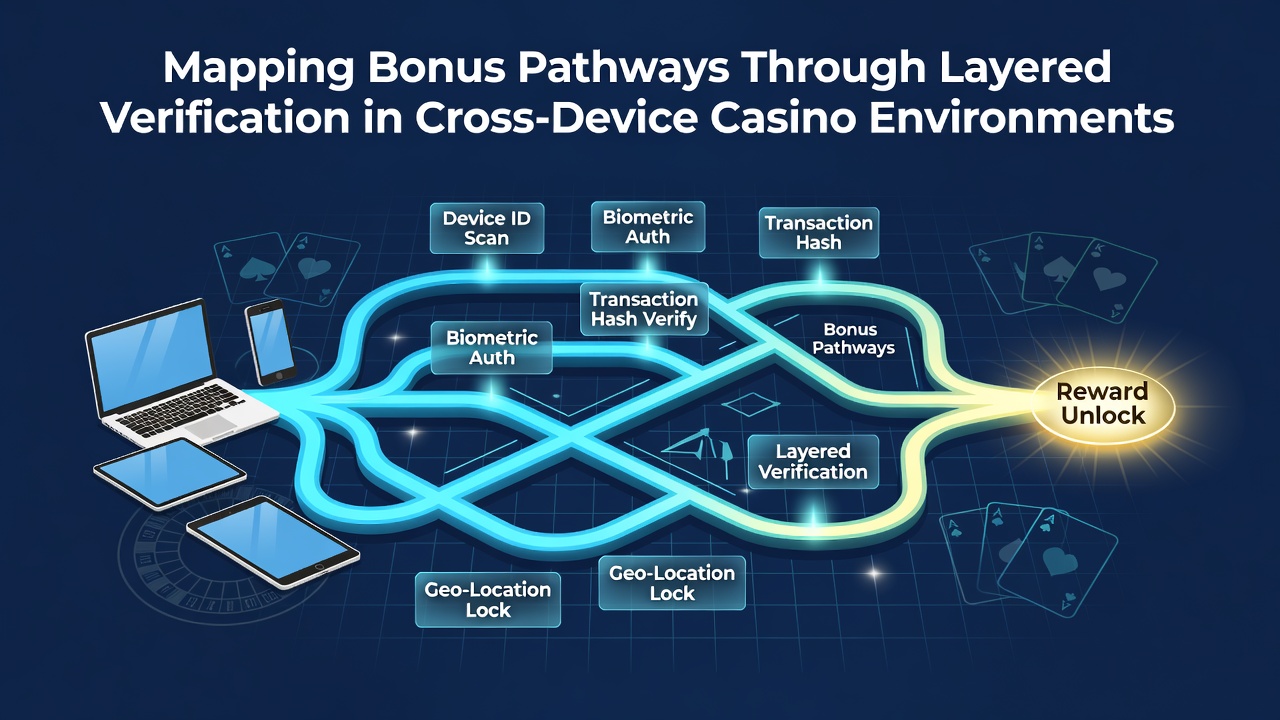
Operators in the online gaming sector have developed structured verification frameworks that map bonus eligibility through sequential checks spanning registration, identity confirmation, device authentication, and transaction monitoring, and these systems operate consistently whether players access platforms via smartphones, tablets, or desktop computers. Data from industry reports indicate that cross-device consistency reduces duplicate bonus claims while maintaining compliance with jurisdictional requirements, and figures compiled through June 2026 show continued expansion of these layered protocols in markets across North America and Asia-Pacific regions.
Initial account creation typically triggers the first verification tier, which collects basic details such as name, address, and date of birth before any promotional offers become visible, and subsequent layers incorporate document uploads alongside biometric or knowledge-based authentication steps that confirm user identity across different hardware environments. Observers note that this progression prevents premature access to bonuses until full validation occurs, and platforms enforce device fingerprinting techniques that recognize returning users regardless of whether they switch between operating systems or browsers.
Device-Specific Authentication Mechanisms
Mobile environments rely heavily on app-based permissions and push-notification confirmations that integrate with the operating system's security features, whereas desktop sessions often route verification through browser cookies and hardware token checks that align with the same central database, and this synchronization ensures that bonus pathways remain continuous even when a player initiates registration on one device and completes verification on another. Research from the Australian Gambling Research Centre highlights how such unified systems support regulatory audits by logging each verification event with timestamps and device identifiers, and similar approaches appear in Canadian provincial frameworks where operators must demonstrate cross-platform traceability.
Additional tiers frequently include address verification via utility bills or bank statements followed by payment method confirmation, and these steps occur before bonus activation codes are issued, while automated risk-scoring algorithms evaluate transaction history and geographic location to flag potential discrepancies. Platforms that maintain separate mobile and desktop interfaces still route all data through a single backend verification engine, and this architecture allows operators to update eligibility rules uniformly without requiring separate codebases for each device type.
Bonus Progression and Compliance Tracking
Once verification layers clear, bonus pathways unfold according to predefined sequences that tie wagering requirements to verified account status, and many systems display real-time progress indicators accessible from any linked device, and this visibility helps users track remaining playthrough obligations without losing session data during device transitions. Studies conducted by academic groups examining iGaming operations have documented how layered verification correlates with lower rates of bonus abuse, and the same data sets reveal that operators using multi-factor checks report fewer chargeback incidents tied to promotional activity.

Geolocation services add another verification dimension that confirms physical location at the moment of bonus claim, and this layer proves especially relevant for operators serving multiple regulated markets where bonus availability varies by state or province, and integration with third-party geofencing providers occurs seamlessly across mobile networks and fixed broadband connections. As of June 2026, several jurisdictions have begun requiring explicit documentation of these verification sequences during licensing renewals, which encourages further standardization of the mapping processes.
Integration with Payment and Reward Systems
Payment processors interface directly with verification databases so that deposit bonuses only activate after both financial and identity layers receive clearance, and this linkage extends to withdrawal requests where remaining bonus balances must satisfy all conditions before funds transfer, and cross-device visibility ensures players can monitor these statuses whether they use a mobile app or a desktop dashboard. Industry associations such as the European Gaming and Betting Association have published guidelines that recommend maintaining audit trails spanning at least five verification stages, and operators adopting these recommendations report smoother interactions with regulatory reviewers.
Edge cases arise when users attempt to claim bonuses across unverified secondary accounts or after clearing cookies and cache, and platforms counter these attempts through persistent device linking and behavioral analytics that flag patterns inconsistent with single-user activity, and the resulting data feeds back into the verification mapping system to refine future eligibility determinations. Those who have examined platform logs note that successful cross-device bonus redemptions typically require all prior layers to remain active and current, which prevents reactivation of expired offers.
Conclusion
Layered verification continues to shape how bonus pathways function in environments where players move freely between devices, and the resulting frameworks deliver consistent eligibility enforcement while supporting regulatory oversight across varied jurisdictions. Continued refinement of these systems through June 2026 and beyond reflects ongoing efforts to balance user convenience with compliance requirements, and the documented outcomes include clearer tracking mechanisms and reduced instances of promotional misuse.