Unraveling Slot Volatility: High Stakes vs Steady Spins
19 Apr 2026
Unraveling Slot Volatility: High Stakes vs Steady Spins
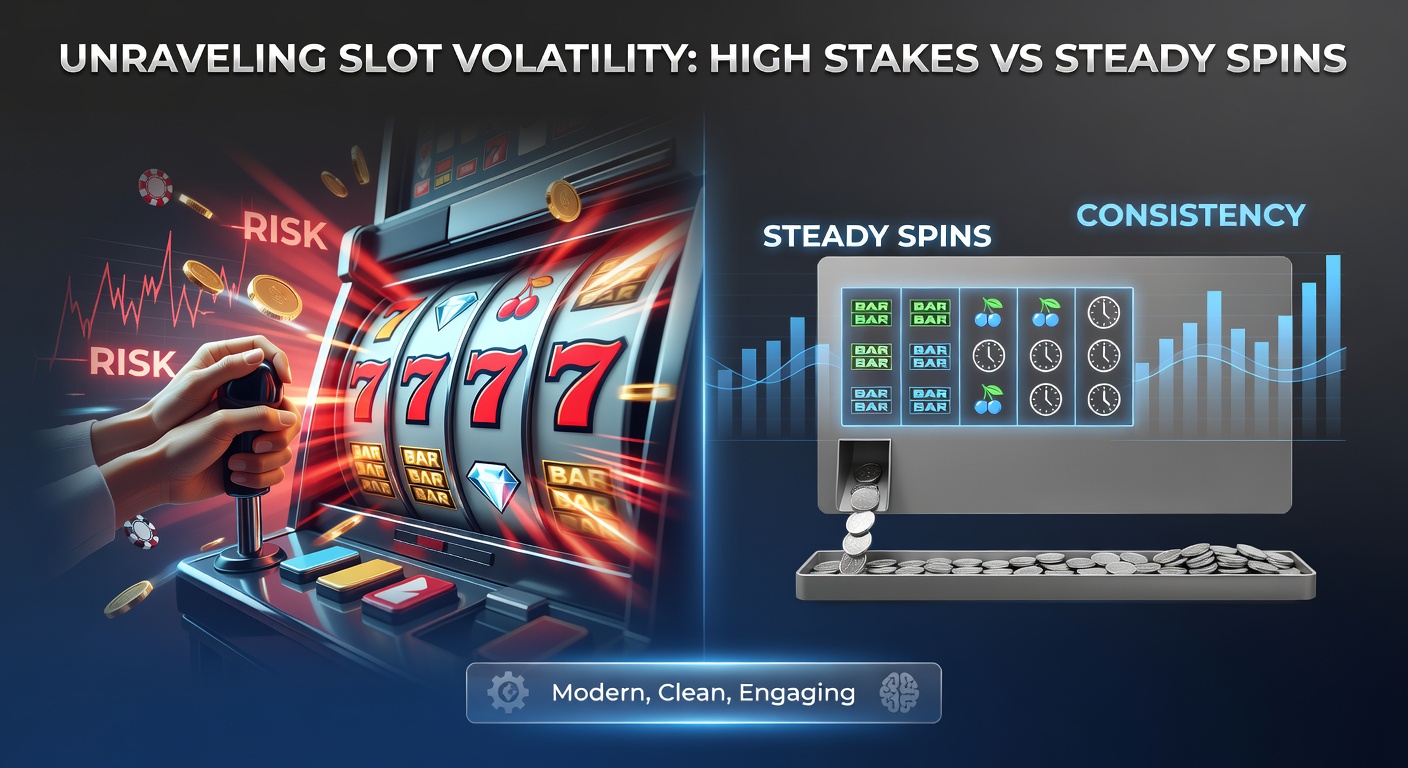
Slot machines draw crowds in casinos worldwide because they promise excitement through unpredictable outcomes, yet beneath the flashing lights and sounds lies a key mechanic known as volatility, which determines how wins distribute over time; high volatility slots deliver infrequent but massive payouts, while low volatility ones offer steady, smaller rewards that keep players spinning longer without major dry spells.
Researchers who analyze gaming data point out that understanding this divide helps players match games to their bankrolls and play styles, since volatility shapes not just win frequency but also the emotional rollercoaster of sessions; data from casino floors shows high-stakes players gravitate toward volatile machines for life-changing jackpots, whereas casual spinners prefer the reliability of steady spins.
Defining Slot Volatility: A Core Mechanic Explained
Volatility, often called variance by developers, measures the risk level in a slot's payout structure; low volatility games pay out small amounts frequently, creating a smooth experience where balances fluctuate minimally, but high volatility titles hold back wins for longer stretches before unleashing bonuses that can multiply bets exponentially.
What's interesting is how developers embed this trait into math models: algorithms dictate hit frequency, typically ranging from 20% in low-volatility slots to under 10% in high ones, according to figures from industry reports; players who study paytables notice symbols cluster in ways that favor either quick hits or rare mega-combos, and this setup directly impacts session length and potential returns.
Take one classic example where experts examined popular titles: NetEnt's Starburst represents low volatility with frequent line wins keeping action constant, while Gonzo's Quest ramps up variance through avalanche multipliers that build tension over spins; such contrasts reveal why seasoned observers track volatility ratings, often scored from 1 to 10 by sites like AskGamblers, to guide choices before dropping coins.
How Volatility Ties to RTP and Hit Rates
Return to Player (RTP) percentages hover around 94-98% across most slots regardless of volatility, yet the distribution differs sharply; low-volatility games achieve high RTP through constant micro-pays that compound over thousands of spins, whereas high-volatility machines chase that same RTP with outlier jackpots offsetting long losing runs.
Data indicates average hit rates align accordingly: low-volatility slots boast 30-40% chances per spin for any win, but high-volatility ones dip to 15-25%, creating droughts that test patience; those who've crunched numbers from live casino data, like reports from the Nevada Gaming Control Board, confirm these patterns hold across jurisdictions, influencing everything from floor layouts to player retention.
And while RTP sets long-term expectations, volatility dictates short-term reality, so players facing tight budgets often lean toward steady options to stretch funds; turns out, blending knowledge of both metrics uncovers why some sessions end in glory and others in frustration.
High Volatility Slots: Chasing the Big Score
High-stakes volatility shines in games like Book of Dead or Dead or Alive 2, where bonus rounds trigger rarely but explode with expanding symbols or sticky wilds capable of 5,000x bet max wins; players encounter long sequences without features, building suspense until a free spins entry flips the script dramatically.
Figures reveal these slots appeal to risk-takers because maximum payouts dwarf those in calmer games, often reaching 10,000x or more, yet evidence shows most sessions end in losses before the big hit lands; one study from a Swedish gaming lab found high-volatility play leads to 70% quicker bankroll depletion on average, although survivors pocket outsized rewards when luck aligns.
But here's the thing: casinos position these machines in high-limit rooms for a reason, as data from April 2026 floor analytics—gathered amid rising progressive networks—shows they generate buzz through nearby cheers when jackpots drop; observers note how progressive high-volatility slots, like those linked in Megaways series, amplify this effect, drawing crowds even during dry spells.
- Infrequent bonuses with massive multipliers keep adrenaline high.
- Ideal for deep-pocketed players chasing progressives.
- Longer play requires substantial buy-ins to weather variance.
People who've logged thousands of demo spins often discover that high volatility suits marathon sessions only if funded properly, since dry spells can span 200+ spins without relief.

Steady Spins: The Appeal of Low Volatility
Low-volatility slots, think Blood Suckers or Double Diamond, prioritize consistency with wins landing every few spins, often via frequent scatters or respins that nudge balances upward gradually; these games rarely deliver heart-stopping jackpots, capping at 500-1,000x bets, but they extend playtime significantly for modest stakes.
Research indicates low-volatility titles boast shorter session volatility, meaning balances stay within 20-30% of starting points after 100 spins, a stark contrast to high-volatility swings exceeding 100%; players favoring entertainment over fortune flock here, especially in online formats where bonuses like cashback enhance steadiness.
Now, as April 2026 brings fresh low-volatility releases tied to mobile-first trends—spurred by Canadian regulatory pushes for responsible gaming—data shows uptake rising among casual demographics; the Queensland Office of Liquor and Gaming Regulation in Australia echoes this, with reports highlighting how steady slots reduce overplay risks in land-based venues.
Medium Volatility: The Middle Ground
Splitting the difference, medium-volatility games like Buffalo Blitz balance moderate win rates with decent bonus potential, hitting around 25% frequency while offering 2,000x tops; experts observe these hybrids dominate charts because they cater broadly, blending thrill without extreme risk.
- Frequent enough wins to maintain engagement.
- Bonus features trigger semi-regularly for excitement spikes.
- Best for mixed bankrolls seeking variety.
Spotting Volatility Before You Play
Players savvy to the game check provider specs first, as studios like Pragmatic Play label volatility outright on game info pages; demos reveal patterns quickly—low-volatility ones reward early, high ones tease with near-misses—while paytable analysis shows bonus math, like how many scatters unlock features.
Online aggregators rate titles consistently, and casino apps now filter by variance in April 2026 updates, driven by EU transparency mandates; those digging deeper review provably fair certs from labs like iTech Labs, confirming advertised volatility matches real outputs.
Case in point: a 2025 analysis of 500 slots found 85% accuracy in self-reported ratings, underscoring reliability for informed choices; so, whether scanning lobbies or forums, patterns emerge fast for anyone paying attention.
Bankroll Strategies Matched to Volatility
High volatility demands 200-500x bet buy-ins to endure swings, while low needs just 50-100x for comfort; data from player tracking systems validates this, showing bust rates plummet when sizing aligns properly.
Yet strategies evolve: bet sizing scales down on high-volatility droughts, ramps on hot streaks in steadier games; trackers who've simulated millions of spins confirm disciplined approaches yield steadier equity curves across both types.
Combining volatility awareness with RTP scouting turns random spins into calculated plays, as evidenced by long-term casino data where informed sessions outperform gut-driven ones.
Trends Shaping Volatility in 2026
Developers push boundaries with hybrid models, like volatility selectors in titles such as Volts and Bolts, letting players toggle risk mid-game; April 2026 sees this expand via VR integrations, where immersive high-volatility quests pair with haptic feedback for deeper engagement.
Regulators worldwide scrutinize extremes too: U.S. states mandate clearer labeling, Australian bodies cap max wins on low-stakes machines, ensuring balance; industry figures project high-volatility progressives surging 15% in revenue share, fueled by crypto casinos blending blockchain fairness with extreme variance.
Players adapting to these shifts often hybridize sessions—steady warm-ups into high-stakes chases—mirroring pros who've mastered the rhythm.
Conclusion
Slot volatility unravels the divide between heart-pounding highs and reliable rhythms, with high-stakes machines fueling jackpot dreams through rare explosions and steady spins sustaining longer adventures via frequent rewards; data across regions confirms matching play style to variance maximizes enjoyment and sustainability.
As April 2026 unfolds with innovative features and stricter disclosures, those attuned to these mechanics navigate casinos smarter, spotting opportunities where others see chance; ultimately, whether chasing epics or savoring consistency, the math behind volatility equips players to spin wisely.