17 Jun 2026
Tracing the Web of Verification Processes That Channel Rewards Through Mobile Gaming Apps
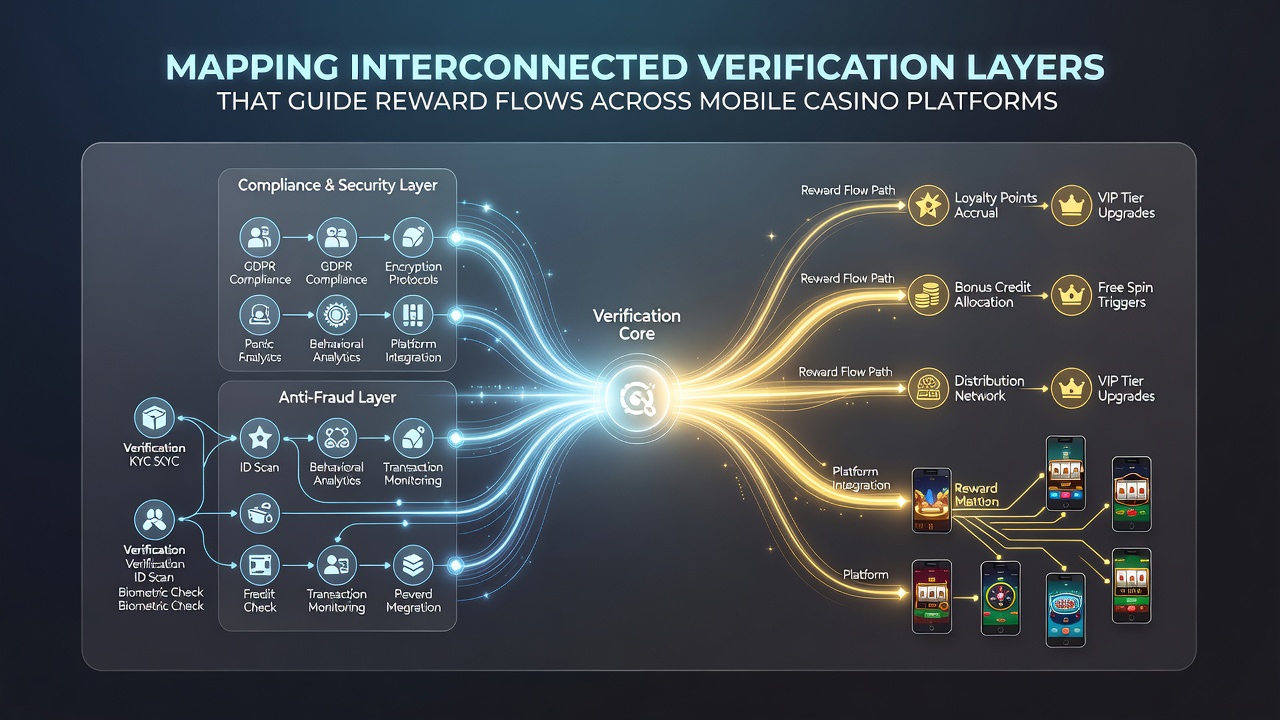
Verification systems in mobile casino platforms operate through multiple interconnected layers that collectively determine how rewards reach verified users, and these structures have grown more sophisticated as operators adapt to regulatory demands across different jurisdictions in 2026. Each layer handles specific checks while feeding data into the next stage, creating pathways that either enable or restrict the movement of bonuses, cashback offers, and loyalty points.
Core Components of Initial Registration Layers
Registration forms collect basic account details before any reward eligibility begins, yet this first layer already connects to downstream processes by establishing user profiles that later verification stages reference continuously. Mobile apps often require email confirmation alongside phone number validation right at signup, which sets the foundation for subsequent identity matching routines that prevent duplicate accounts from accessing promotional flows.
Operators integrate these early steps with automated screening tools that flag potential issues before they reach reward distribution points, and data from this stage influences everything from bonus unlocking conditions to withdrawal limits later in the player journey.
Identity Verification and Its Connections to Reward Eligibility
Know-your-customer protocols form the next critical layer where government-issued documents undergo review, and platforms link this information directly to reward accounts so that only fully authenticated profiles can progress toward bonus redemptions. Facial recognition or liveness detection technologies frequently work alongside document uploads in mobile environments, creating real-time data exchanges between verification providers and the casino's central reward management system.
Once identity confirmation clears, the system updates player status flags that unlock specific promotional tiers, while incomplete checks automatically pause reward flows until resolution occurs. This interconnection ensures compliance requirements stay tied to every stage of bonus activation across devices.
Device and Geolocation Layers in Mobile Contexts
Mobile platforms add device fingerprinting and location verification as parallel layers that communicate with identity systems to confirm users operate within approved regions before rewards activate. These checks run continuously in the background, feeding location data into reward engines that adjust offers based on regulatory zones or detect attempts to circumvent geographic restrictions.
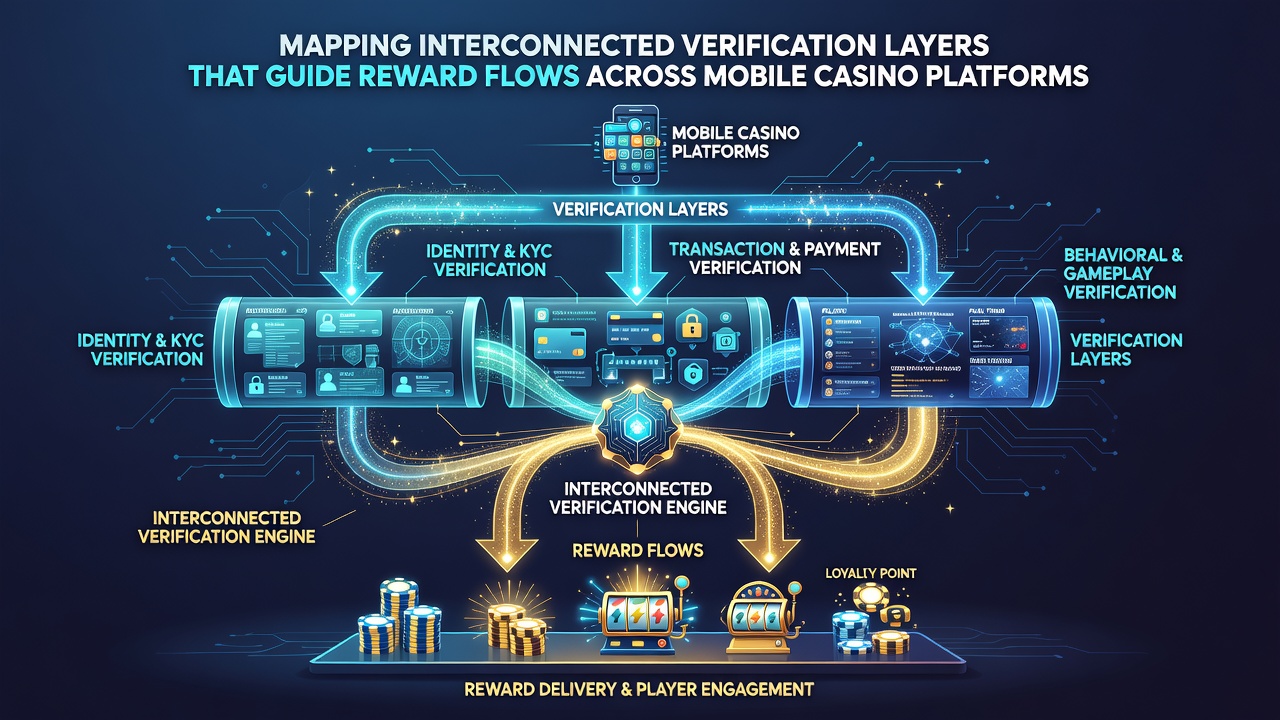
App-based geolocation services often integrate with third-party databases maintained by industry groups, and successful verification at this layer directly influences whether time-sensitive promotions like free spin packages or deposit matches proceed without interruption. Failed device checks trigger alerts that reroute users back through earlier verification stages rather than allowing partial reward access.
Payment Method Validation and Reward Flow Integration
Financial verification layers examine deposit sources and link them to reward wallets, creating another checkpoint where transaction history data merges with prior identity and device records to calculate eligibility scores for ongoing promotions. Mobile payment gateways share encrypted details with central systems so that verified funding methods become prerequisites for claiming accumulated loyalty rewards or cashback amounts.
June 2026 reports from regulatory bodies in several markets highlighted how tighter payment screening reduced instances of reward misuse while maintaining smooth flows for compliant accounts, according to findings shared by the European Gaming and Betting Association. This layer's connections to earlier steps mean any mismatch in payment details can halt reward processing across the entire platform until updates occur.
Interlayer Data Exchange and System Architecture
Modern mobile casino architectures rely on API connections that allow verification layers to share status updates instantaneously, ensuring reward engines receive consistent information from registration through to redemption phases. When one layer completes its checks it signals the next through secure channels, and this sequential yet interconnected design prevents bottlenecks while maintaining audit trails required by oversight agencies.
Research from academic institutions studying digital gaming compliance has shown these mapped pathways reduce processing errors by coordinating data points across mobile sessions that might otherwise fragment across different verification providers. Observers note the architecture supports scalability as user volumes increase without compromising the integrity of reward distribution rules.
Conclusion
Mapping these verification layers reveals a coordinated framework where each stage builds upon the previous one to guide reward movement securely through mobile casino platforms, and continued refinements in 2026 reflect ongoing efforts by operators to align technical processes with evolving compliance standards worldwide. The result appears in streamlined experiences for verified users alongside robust controls that protect platform integrity across devices and regions.