12 Jun 2026
Tracing Player Journeys: Verification Processes and Bonus Activation in Multi-Platform Gaming

Player pathways in online casinos involve multiple verification stages that determine access to promotional rewards, and these steps have grown more intricate as platforms expand across smartphones, tablets, and desktop systems. Research indicates that operators now layer identity checks, device authentication, and transaction monitoring to comply with regulations while managing bonus distributions, and data from industry reports shows these processes directly affect how quickly users unlock free spins or deposit matches in June 2026 environments.
Core Verification Layers in Casino Registration
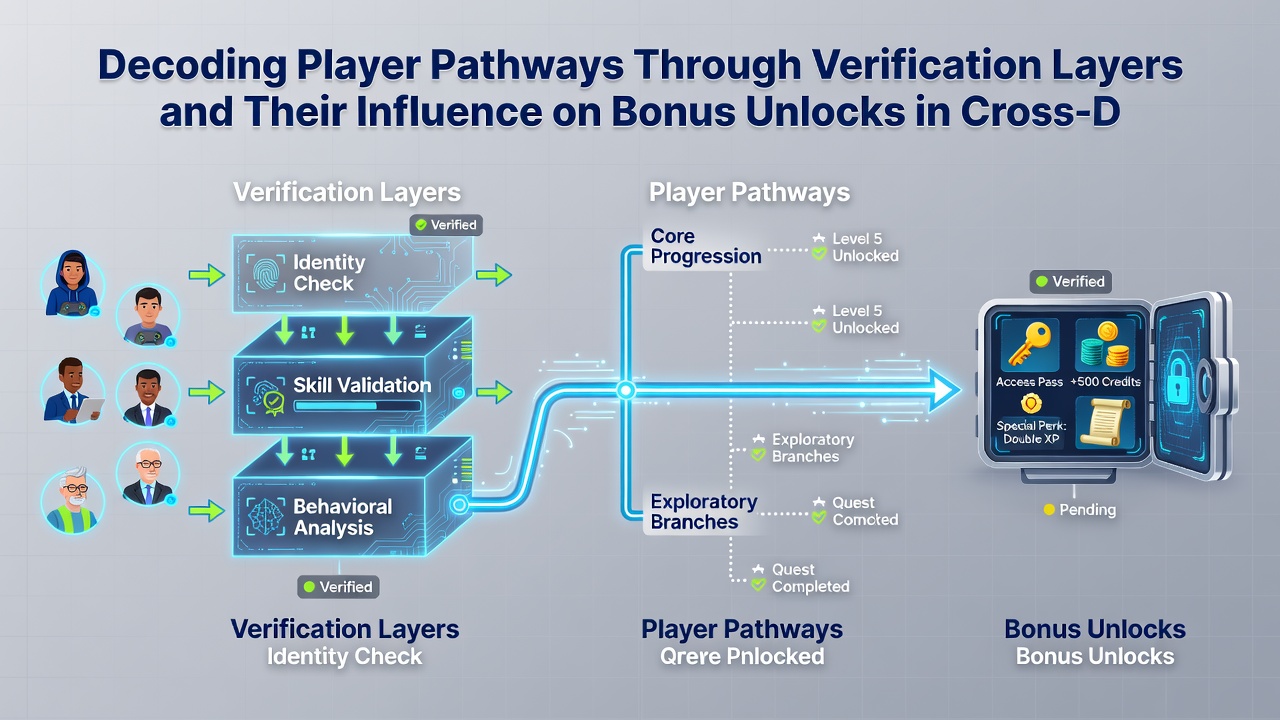
Operators typically begin with basic account creation that collects email addresses and personal details, yet subsequent layers require government-issued identification uploads alongside proof of address documents, and this sequence ensures compliance with anti-money laundering rules set by bodies such as the Nevada Gaming Control Board. Those who study these systems observe that device fingerprinting adds another dimension because platforms track hardware identifiers and IP patterns to prevent multiple accounts, while biometric options like facial recognition have appeared in newer mobile applications to speed up subsequent logins.
Studies from the University of Nevada Las Vegas Gaming Research Center reveal that verification completion rates vary by device type, with desktop users often finishing faster due to easier document scanning compared to mobile interfaces that sometimes encounter upload errors on smaller screens. And because cross-device play allows seamless session transfers, platforms must synchronize verification status across all access points so that a user verified on a phone does not restart the process when switching to a laptop.
Cross-Device Synchronization Challenges
Mobile environments introduce unique hurdles since operating system updates and app permissions can interrupt verification flows, whereas desktop browsers maintain more stable connections during extended identity reviews. Observers note that players frequently encounter delays when attempting to claim bonuses after switching devices mid-process, and this occurs because session tokens tied to the original verification layer fail to carry over without additional checks. Data shows that in June 2026 many platforms now employ cloud-based verification hubs that store progress centrally, allowing instant resumption regardless of the access method.
One documented case involved a major operator that integrated API connections between its mobile and web platforms, and this change reduced verification drop-off rates by aligning device data in real time. Experts have observed similar patterns in Canadian markets where the Alcohol and Gaming Commission of Ontario requires consistent player tracking across channels, which forces casinos to maintain unified databases that update bonus eligibility flags automatically.
Influence on Bonus Unlocks and Eligibility
Bonus activation hinges on completed verification layers because most promotions require confirmed identities before crediting rewards, and incomplete checks often result in pending statuses that block access until documents receive approval. Research indicates that players who verify early through mobile apps tend to unlock tiered rewards faster since platforms prioritize fully authenticated accounts for higher-value offers such as cashback programs. Yet cross-device inconsistencies can reset progress if a system detects a new device fingerprint, prompting an extra security review even when prior steps succeeded.
Figures from the American Gaming Association highlight that verified accounts receive promotional credits at rates nearly three times higher than unverified ones, and this gap widens in multi-device scenarios where operators apply stricter controls to deter abuse. Those who've examined player data note that bonus redemption patterns shift when verification includes location services because geo-fencing rules vary by jurisdiction and device GPS accuracy.
Regulatory and Technical Adaptations
Regulatory frameworks continue to shape these pathways because agencies demand audit trails for every bonus distribution, and this pushes operators toward automated verification tools that log each layer completion with timestamps. In regions outside the US, such as Australia, the Australian Communications and Media Authority enforces similar standards that affect how bonuses trigger across devices, creating consistent requirements for operators serving international audiences. Platforms respond by deploying adaptive systems that adjust verification depth based on risk scores calculated from device history and transaction patterns.
What's interesting is how these adaptations create smoother experiences once initial hurdles clear, since returning users benefit from stored verification profiles that activate bonuses instantly upon login from any device. Data indicates that in June 2026 the integration of blockchain-based identity solutions has started appearing in select platforms, allowing players to carry verified credentials without repeated document submissions.
Conclusion
Verification layers form the backbone of secure bonus systems in cross-device casino settings, and their design directly determines unlock speed and eligibility across mobile and desktop platforms. As operators refine synchronization methods and regulatory demands evolve, player pathways become more streamlined while maintaining necessary safeguards, and current trends through June 2026 point toward continued reliance on centralized verification hubs that support seamless multi-device access. This structure ensures compliance and fair reward distribution without compromising operational integrity.