Sequential Device Authentication and Its Effects on Promotional Unlocks in Licensed Gaming Platforms
Written by Viktor Albrecht · Aug 21, 2026
Sequential Device Authentication and Its Effects on Promotional Unlocks in Licensed Gaming Platforms
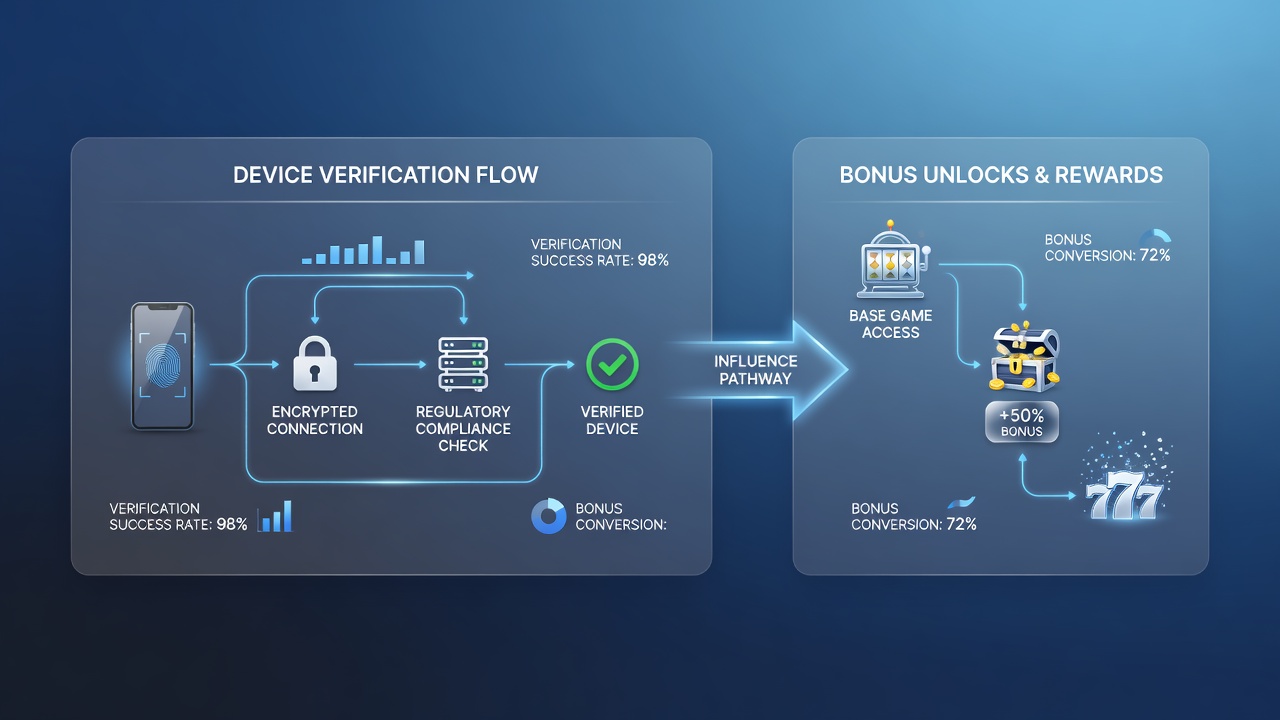
Regulated gaming apps rely on layered device verification sequences to confirm user identity and device integrity before releasing bonus features, and these processes connect directly to eligibility rules enforced by licensing authorities across multiple jurisdictions. Operators integrate hardware identifiers, operating system checks, and behavioral signals into a single workflow that determines whether promotional credits activate on a given session. Data from industry reports shows that platforms using three or more verification stages experience measurable differences in redemption rates compared with simpler single-step systems.
Core Components of Device Verification Workflows
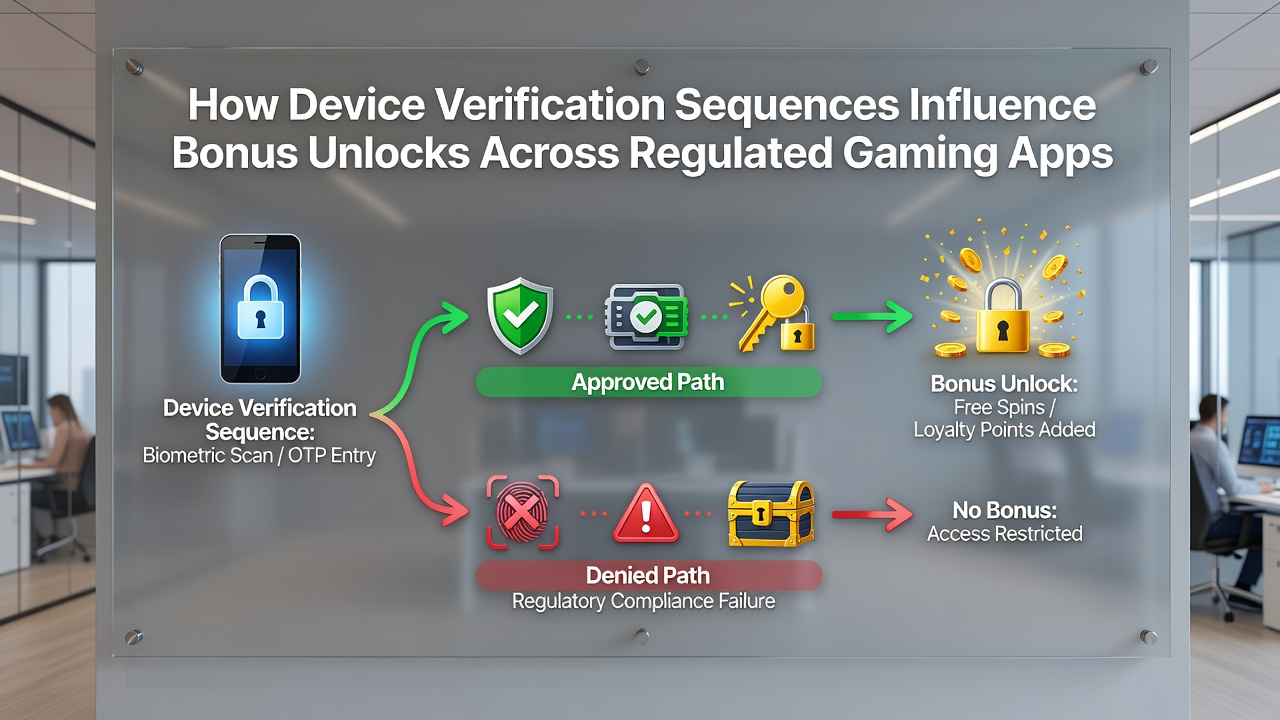
Verification sequences typically begin with device fingerprinting that captures unique hardware attributes such as IMEI, MAC address, and sensor calibration values, then proceed to operating system attestation that confirms the device runs an unmodified build. Subsequent layers include geolocation cross-checks against licensed regions and real-time risk scoring drawn from prior login patterns. When these steps complete without flags, bonus codes tied to new account creation or deposit thresholds become available within the same app session. Research indicates that interruptions at any intermediate stage often route the user to manual review queues, delaying access to rewards by hours or days depending on operator staffing levels.
Regional Regulatory Influences on Sequence Design
Licensing bodies in different regions impose distinct requirements that shape how sequences are constructed. The Nevada Gaming Control Board requires operators to maintain audit logs of every device check performed within state borders, while the Australian Communications and Media Authority emphasizes continuous monitoring of device changes after initial registration. Canadian provincial regulators in Ontario have published technical standards that mandate separate verification paths for mobile versus desktop environments, creating observable variations in bonus timing across those platforms. These rules produce measurable differences in how quickly users reach reward redemption screens when switching between devices.
Impact on Bonus Types and Timing
Free spin packages, deposit match credits, and loyalty tier upgrades each respond differently to verification outcomes. Sequences that include biometric confirmation tend to accelerate unlock of time-sensitive offers because they reduce the need for secondary document uploads. In contrast, bonus structures that depend on sustained play metrics often require ongoing device consistency checks, meaning a user who switches phones mid-campaign may trigger re-verification and temporary suspension of active rewards. Figures released by state gaming commissions in August 2026 revealed that apps enforcing full sequence completion before every bonus claim recorded higher compliance scores yet slightly lower immediate redemption volumes.
Multi-device environments add another dimension because operators must reconcile verification data across phones, tablets, and desktop browsers linked to the same account. Systems that store a master device profile allow bonus progression to transfer seamlessly, whereas isolated per-device checks can fragment reward balances until manual reconciliation occurs. Observers note that this fragmentation appears more frequently in apps serving users who frequently upgrade hardware.
Technical Interactions With App Architecture
Modern gaming applications embed verification calls within the same API framework that handles game loading and transaction processing. This integration means that a failed device check can halt not only bonus delivery but also certain gameplay modes until the sequence restarts. Developers address this by caching successful verification tokens for limited periods, typically ranging from 24 to 72 hours depending on jurisdictional risk classifications. Such caching policies balance security requirements with user convenience and directly influence how often players encounter bonus unlock prompts during extended sessions.
Conclusion
Device verification sequences function as gatekeepers that translate regulatory mandates into technical gates controlling bonus access across regulated gaming apps. Variations in sequence length, biometric inclusion, and cross-device handling produce distinct patterns in reward availability that operators and regulators continue to monitor through ongoing data collection. As licensing frameworks evolve, the interplay between these authentication steps and promotional mechanics remains a central element in platform compliance and operational design.