10 Jul 2026
Security Standards Shaping Payment Availability and Payout Timelines in Verified Casino Environments
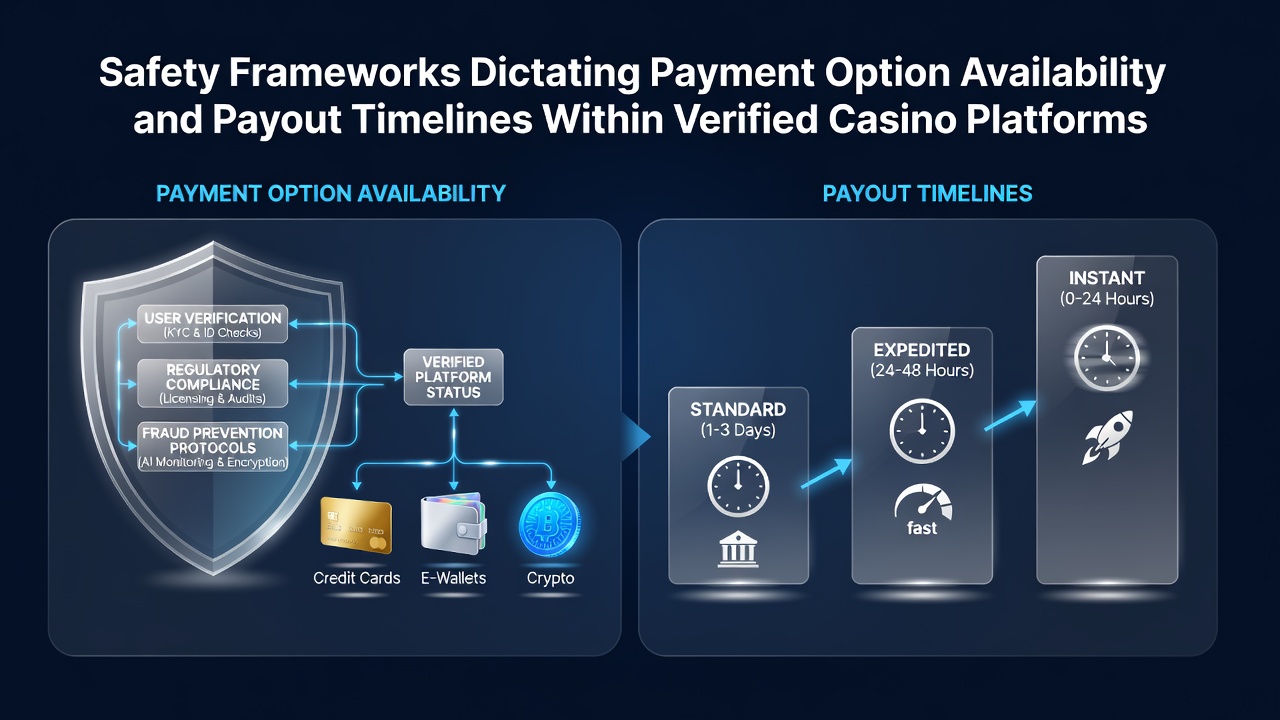
Security frameworks establish the foundation for which payment methods operators can offer and how quickly funds reach verified accounts, because these protocols enforce compliance with data protection rules, identity verification requirements, and financial monitoring standards across multiple jurisdictions. Operators integrate these layers during platform certification, which directly determines whether credit cards, e-wallets, bank transfers, or cryptocurrency options appear on deposit and withdrawal screens.
Core Elements of Safety Frameworks in Gaming Platforms
Certified platforms undergo audits that evaluate encryption strength, access controls, and anti-money laundering procedures, and these evaluations shape the list of approved transaction channels since regulators require proof that each method meets minimum security thresholds before activation. Data protection certifications such as PCI DSS compliance restrict card processing to issuers that maintain equivalent safeguards, while additional layers like two-factor authentication narrow options further by excluding services that lack native support for such features.
Observers note that frameworks also incorporate ongoing monitoring systems which track transaction patterns in real time, and this continuous oversight influences payout timelines because flagged activities trigger extended review periods before release. In July 2026 several certification bodies updated their guidelines to include enhanced biometric verification steps for high-volume accounts, which extended settlement windows for certain methods while leaving faster channels like select e-wallets largely unaffected when users maintained clean records.
How Certification Levels Restrict Available Payment Methods
Entry-level certifications permit basic card and bank transfer options only after operators demonstrate basic encryption and KYC integration, whereas advanced certifications open pathways to additional methods including digital wallets and prepaid solutions once platforms prove they can handle higher encryption standards and automated fraud detection. Research from the New Jersey Division of Gaming Enforcement shows that platforms holding multi-jurisdictional licenses maintain narrower payment selections in regions with stricter data residency rules, since cross-border transfers require separate approvals that many providers decline to pursue.
Those who study platform configurations often discover that cryptocurrency acceptance appears exclusively under the highest certification tiers because frameworks demand proof of wallet address screening and blockchain analytics integration before approval. This tiered approach explains why users on newly certified sites encounter fewer choices until operators complete supplemental audits that unlock the remaining options.
Impact on Payout Timelines and Verification Stages
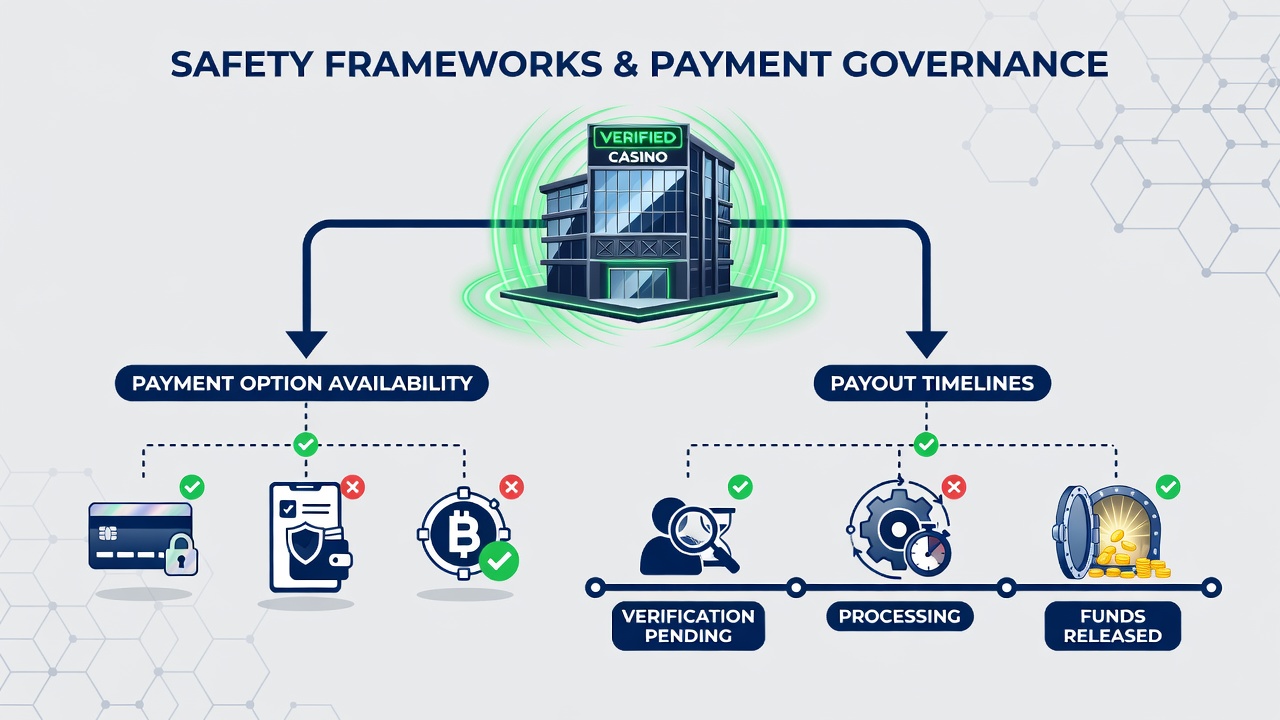
Payment timelines follow directly from the verification depth required by each framework, because initial deposits clear faster under automated checks while withdrawals undergo manual review when frameworks mandate source-of-funds documentation for amounts above defined thresholds. Platforms with integrated real-time monitoring systems shorten these windows for low-risk accounts, yet the same systems extend periods when algorithms detect velocity patterns that exceed preset limits.
According to figures released by the Malta Gaming Authority in mid-2026, average payout processing ranged from under four hours for e-wallet withdrawals on fully certified sites to five business days for bank transfers that required additional compliance checks. The authority's report highlighted that sites maintaining consistent audit scores processed the majority of requests within the shorter window, whereas those undergoing remediation faced temporary extensions across all channels.
Regional Variations in Framework Application
European operators align with directives that emphasize consumer data portability and automated reporting, which tends to favor methods already equipped with standardized APIs, while North American frameworks place greater emphasis on state-level financial reporting that can delay certain international transfer options. Canadian provincial regulators, for instance, require separate licensing for each payment processor, and this requirement limits availability until providers complete province-specific security assessments.
Australian frameworks incorporate responsible gambling tools that link directly to transaction limits, and these connections affect both method selection and release speed because operators must demonstrate the ability to enforce daily caps before activating faster payout channels. The result appears in comparative data showing wider method availability in jurisdictions with unified national standards compared to those operating under fragmented state rules.
Conclusion
Safety frameworks continue to evolve as regulatory bodies refine their requirements, and these updates directly recalibrate which payment options remain active alongside the associated timelines for fund movement. Platforms that maintain current certifications preserve broader selections and shorter processing windows, while those navigating new audits experience temporary restrictions until verification completes. teh interplay between certification status, method compatibility, and review protocols determines the operational reality users encounter when moving funds through verified environments.