29 May 2026
Security Frameworks and Their Effects on Promotional Reward Redemption in Virtual Gaming Platforms

Digital gaming platforms rely on layered safety protocols to protect user accounts and financial transactions, and these systems directly shape how players interact with promotional offers. Verification steps, encryption standards, and fraud detection tools create checkpoints that players must navigate before claiming bonuses, which in turn influences overall redemption patterns across the sector.
Core Components of Modern Safety Systems
Operators implement multi-factor authentication alongside identity verification processes that require document uploads and biometric checks, and these measures often extend to bonus activation flows. Data from regulatory bodies shows that platforms incorporating real-time transaction monitoring see fewer instances of automated claim attempts, while legitimate users complete the process after additional confirmations. In May 2026 reports from the New Jersey Division of Gaming Enforcement, verified accounts demonstrated higher completion rates for reward redemptions once initial security hurdles were cleared, compared to unverified sessions that timed out during verification.
Verification Steps and Player Behavior Patterns
Players encounter safety protocols at multiple stages, starting with account registration and continuing through deposit confirmation and bonus code entry. Each layer adds time and data requirements, which researchers tracking user sessions have linked to drop-off points in claim sequences. Those who have studied platform analytics note that simplified yet secure interfaces reduce abandonment, whereas overly complex flows correlate with lower overall redemption volumes. Industry figures from the European Gaming and Betting Association highlight that platforms balancing robust checks with streamlined user experiences maintain steadier claim activity throughout promotional periods.
Data Trends from Recent Regulatory Reports
Figures released in early 2026 across multiple jurisdictions reveal measurable shifts in bonus utilization tied to protocol updates. Platforms that adopted enhanced encryption and continuous authentication reported a 12 to 18 percent adjustment in claim rates within the first quarter, with some operators observing stabilization by May. Observers analyzing these patterns point to reduced fraudulent claims as a primary driver, since safety tools filter out suspicious activity before rewards are issued. One study conducted by academic researchers at the University of Nevada examined transaction logs and found that verified bonus claims processed faster under updated protocols, leading to repeat engagement from compliant accounts.
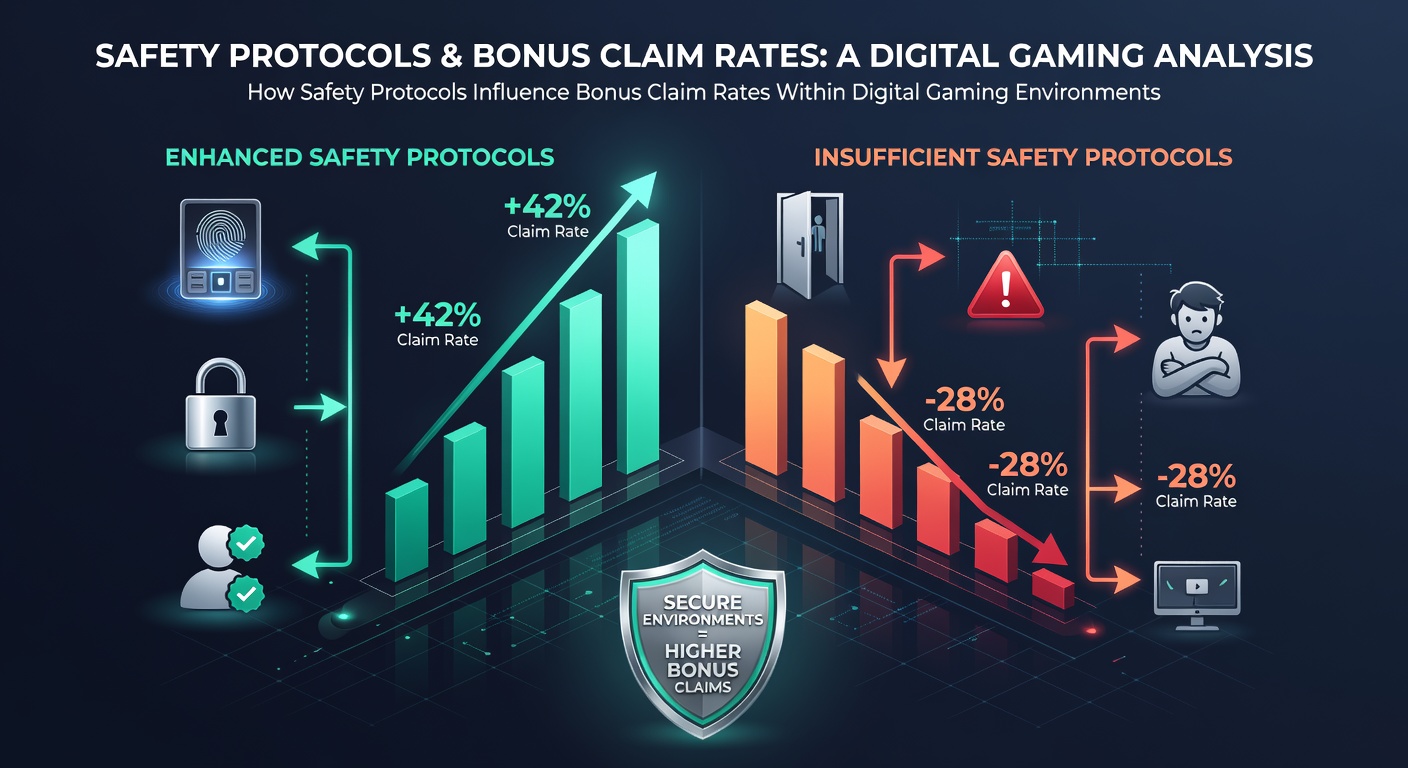
Geographic variations appear in how these protocols affect outcomes, with Canadian provincial regulators documenting similar patterns in Ontario's regulated market. There, mandatory account verification combined with bonus-specific flags produced clearer distinctions between high-volume claimants and those deterred by additional steps. The reality is that safety enhancements do not uniformly suppress claims but instead redirect activity toward accounts that meet compliance thresholds.
Operational Adjustments Operators Are Making
Gaming companies respond to these dynamics by refining protocol integration, such as embedding verification prompts within the bonus claim interface itself rather than routing users through separate portals. This approach, documented in platform updates throughout spring 2026, allows seamless progression while maintaining security standards. Experts tracking adoption rates note that operators using adaptive authentication see fewer interruptions, since the system adjusts verification intensity based on risk signals. As a result, claim processes become more predictable for regular users while still blocking anomalous behavior.
Long-Term Effects on Platform Metrics
Over extended periods, safety protocols contribute to cleaner datasets for operators, which supports more accurate bonus allocation and reduces chargeback incidents. Reports from Australian regulatory sources indicate that platforms with mature security frameworks experience steadier month-over-month claim consistency, particularly when protocols include automated reminders for incomplete verifications. Those who've examined longitudinal data emphasize that initial dips in redemption activity often reverse once players acclimate to the required steps, leading to sustained participation from verified segments.
Conclusion
Safety protocols continue to evolve alongside gaming technology, and their influence on bonus claim rates reflects a balance between protection and accessibility. Evidence from multiple regulatory and research sources demonstrates that well-designed systems filter risk without permanently suppressing legitimate activity, while platforms that prioritize integration see more stable redemption trends. As operators refine these frameworks through 2026 and beyond, the relationship between security measures and promotional engagement remains a central factor in platform performance data.