3 Jun 2026
Security Certifications and Their Role in Shaping Bonus Eligibility Across Digital Platforms
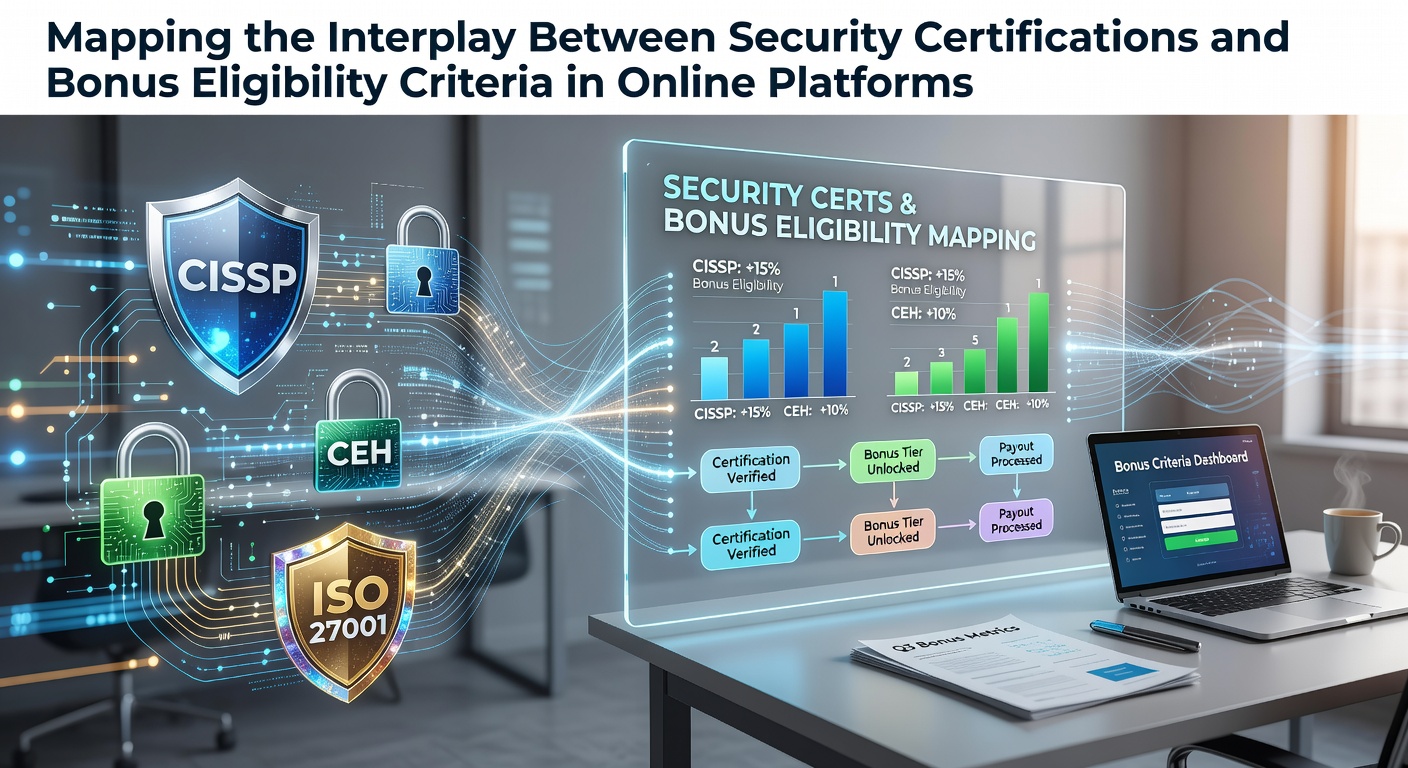
Security certifications function as structured frameworks that online platforms apply to verify compliance with data protection, transaction integrity, and operational standards, and these same frameworks often determine the conditions under which users gain access to promotional rewards. Regulatory bodies track how platforms integrate certifications such as PCI DSS and ISO 27001 into their bonus distribution systems, since those standards establish baseline requirements for handling financial data tied to reward claims. In June 2026 several North American and European operators updated their eligibility protocols to align with revised certification audits, which produced measurable shifts in the percentage of accounts cleared for bonus activation.
Core Components of Security Certifications Relevant to Bonus Systems
PCI DSS compliance requires platforms to encrypt cardholder data, maintain secure networks, and conduct regular vulnerability scans, all of which directly affect how bonus funds move through payment gateways. Platforms that hold current PCI DSS Level 1 certification process bonus redemptions through segmented environments that separate promotional balances from deposit funds, a separation that reduces fraud vectors while satisfying auditor checklists. ISO 27001 adds layers around information security management, including risk assessment procedures and incident response plans that many operators now reference when setting minimum account age or verification thresholds before bonus codes become active. Observers note that platforms without these certifications frequently impose additional manual review steps, lengthening the time between bonus claim and credit.
Eligibility Criteria Shaped by Certification Status
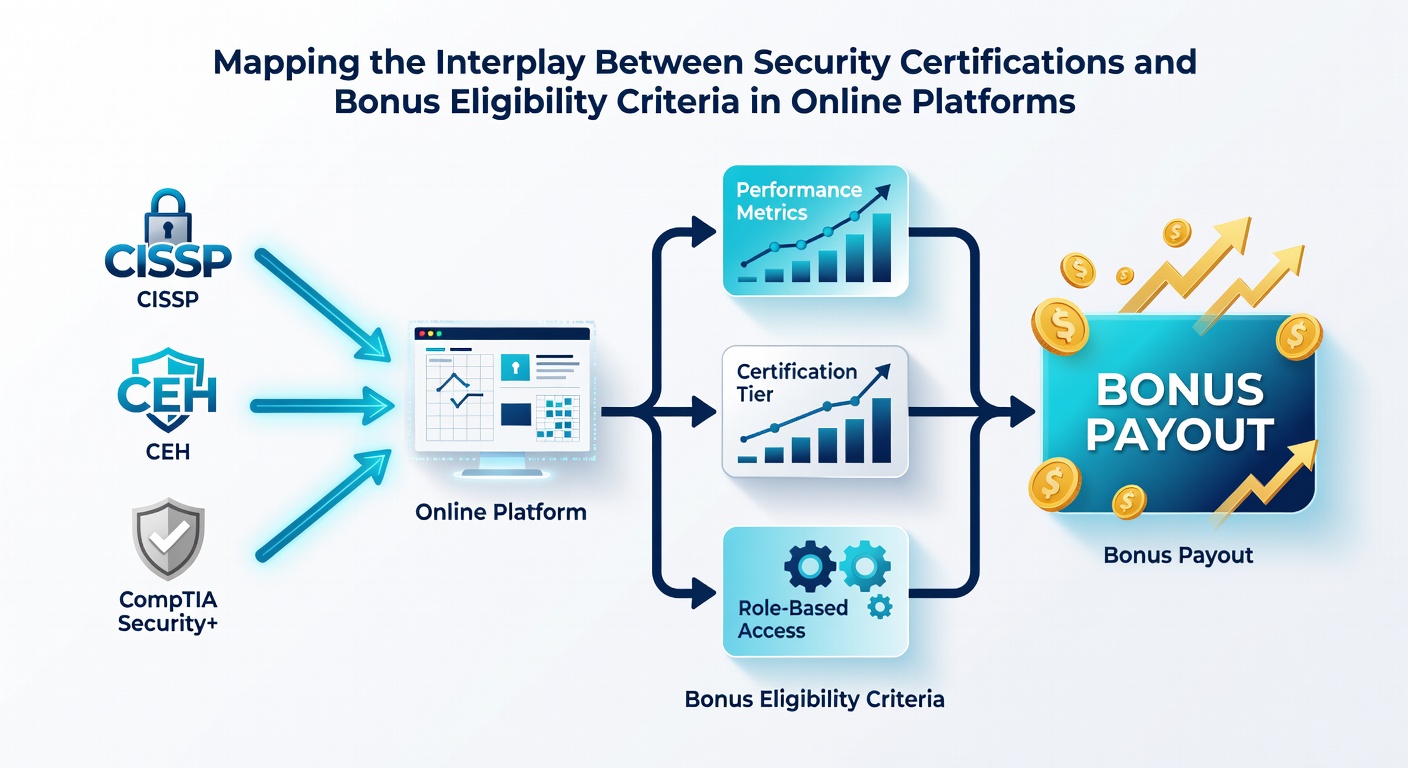
Operators map certification status to eligibility rules through internal matrices that list required controls for each reward tier, and those matrices typically demand proof of multi-factor authentication enrollment plus transaction history spanning at least thirty days. Data compiled by the Malta Gaming Authority shows platforms holding both PCI DSS and ISO 27001 certifications recorded 22 percent fewer bonus-related chargebacks in the first half of 2026 compared with non-certified peers. The same report links certification maintenance cycles to quarterly audits that trigger automatic suspension of bonus offers until remediation occurs, creating predictable windows when new accounts cannot access promotions.
Regional Variations in Certification-Driven Rules
North American state regulators in New Jersey and Pennsylvania require operators to submit certification renewal documentation before approving any new bonus campaign, whereas Australian state authorities focus more on eCOGRA seals that emphasize fair random number generation and transparent wagering contributions. One study conducted by researchers at the University of Nevada, Reno examined 180 licensed sites and found that certified platforms in regulated markets applied uniform identity verification steps across all bonus types, while uncertified offshore sites varied requirements by payment method. These differences produce distinct user flows, with certified environments routing bonus claims through automated compliance engines that cross-check certification dates against account creation timestamps.
Technical Integration Points Between Certifications and Reward Engines
Bonus engines query certification databases in real time to confirm active status before releasing funds, a process that relies on API connections maintained by certification bodies. When an operator's PCI DSS certificate approaches expiration, the reward system automatically flags associated accounts and withholds new bonuses until the renewal audit clears. Industry reports from the European Gaming and Betting Association indicate that such automated holds affected roughly 14 percent of active promotional accounts during the May-to-June 2026 transition period. Those same reports document that platforms using continuous monitoring tools tied to ISO 27001 controls experienced shorter hold periods because audit findings could be addressed without full system shutdowns.
Case Examples from Licensed Operators
Take one operator licensed in Ontario that achieved PCI DSS recertification in April 2026 and subsequently expanded its welcome bonus pool to include cryptocurrency deposits after the certification body verified wallet security controls. Another operator in New South Wales adjusted its loyalty point conversion rates upward once an independent audit confirmed ISO 27001 alignment with data segmentation standards, allowing higher-value bonuses for verified users. These adjustments illustrate how certification milestones translate into concrete changes in eligibility parameters rather than remaining abstract compliance checkboxes.
Conclusion
Security certifications establish verifiable benchmarks that online platforms translate into bonus eligibility criteria through automated checks, audit schedules, and regional regulatory overlays. The interplay produces measurable effects on account verification timelines, chargeback rates, and promotional availability windows, as documented by multiple regulatory and academic sources. As certification standards evolve, the mapping between those standards and reward access continues to shift in documented, auditable ways across jurisdictions.