Lottery Report Sheds Light on Revenue Patterns Across Virginia's Five Casinos
Written by Otto Simmons · Aug 26, 2026
Lottery Report Sheds Light on Revenue Patterns Across Virginia's Five Casinos
Report Overview and Key Figures
Virginia's five casinos produced detailed revenue data through the latest statewide breakdown released by the Virginia Lottery, covering operations through August 2026, adn the numbers highlight steady growth in several categories while showing regional differences across the venues. Data indicates total gross gaming revenue reached $312.4 million for the period, with slot machines contributing the largest share at approximately 68 percent of the total according to official lottery compilations. Table games including blackjack, roulette, and poker generated the remaining portion, and observers note that these figures reflect both tourist influxes and local player participation patterns.
Each casino submitted monthly reports that the lottery aggregated into a single document, allowing direct comparisons between locations in Bristol, Danville, Portsmouth, Norfolk, and the fifth site near Emporia. The breakdown separates revenue by game type, player volume estimates, and tax contributions, while state officials cross-reference the numbers against prior months to identify seasonal shifts. Those who've tracked these reports for multiple years recognize that August often serves as a transitional period between summer tourism peaks and fall activity ramps.
Venue-by-Venue Performance Details
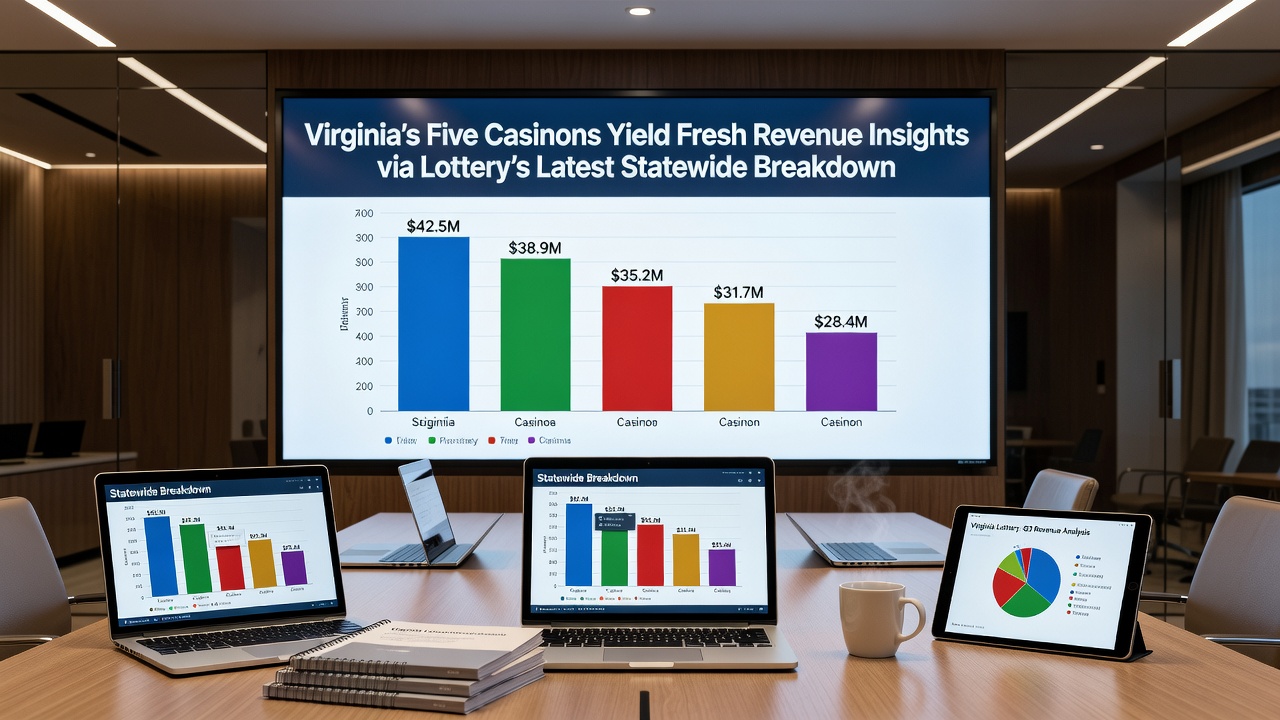
Hard Rock Hotel and Casino Bristol recorded the highest single-venue total at $98.7 million, driven largely by its slot floor and high-limit table areas that attracted visitors from neighboring states. Caesars Virginia in Danville followed with $67.2 million, where data shows consistent table game play supported by regional marketing campaigns. Rivers Casino Portsmouth posted $72.5 million, benefiting from proximity to the Hampton Roads population center and steady weekday foot traffic.
The remaining two properties, one in Norfolk and the Emporia location, combined for $74 million, and the lottery breakdown reveals that the Norfolk site leaned more heavily on electronic table games while Emporia emphasized slots with promotional events. State regulators note that all five venues maintained tax remittance rates at the mandated 27 percent level for gross gaming revenue, channeling funds into the state's general fund and designated programs.

What's interesting is how the report breaks out hold percentages and average daily win per machine, metrics that industry analysts use to gauge operational efficiency. Bristol's slot hold averaged 8.4 percent, slightly above the statewide mean, while Danville's table games posted a hold rate of 2.9 percent on blackjack and similar offerings. These statistics appear alongside player complaint volumes and responsible gaming interactions, giving regulators a fuller picture of each property's performance.
Broader Context and Comparisons
Virginia Lottery officials compiled the August 2026 figures using the same methodology applied in earlier monthly releases, ensuring consistency for trend analysis. According to the Virginia Lottery documentation, electronic gaming devices numbered 4,850 across all sites, with utilization rates ranging from 62 percent at the newest venue to 81 percent at the established Bristol property. Table game counts totaled 312 units, and poker rooms operated at four of the five locations.
Researchers at the University of Virginia's Center for Economic and Policy Studies have examined similar state-level gaming data in past years, and their work shows correlations between casino revenue and nearby employment figures in hospitality sectors. The current breakdown aligns with those earlier patterns, though direct causation remains under study. A separate report from the National Center for Responsible Gaming provides additional context on player behavior metrics that the lottery incorporates into its oversight reviews.
Tax allocations from the casino revenues flow to specific state initiatives, including transportation projects and education programs, with August 2026 contributions projected at $84.3 million before final audit adjustments. The lottery's document also includes comparative charts against the same month in 2025, revealing a 4.2 percent year-over-year increase that operators attribute to expanded marketing and new game offerings.
Conclusion
The Virginia Lottery's statewide breakdown delivers a clear snapshot of how the five casinos performed through August 2026, separating revenue streams and highlighting operational metrics without speculation on future months. State agencies continue to use these figures for regulatory adjustments and fund distribution, while operators reference the data when planning floor changes or promotional calendars. The report stands as one component in ongoing monitoring of Virginia's gaming sector, with next month's release expected to follow the established format and provide further points for comparison.