28 Jun 2026
Layered Verification Protocols Guide Reward Access at Emerging Tribal Gaming Destinations
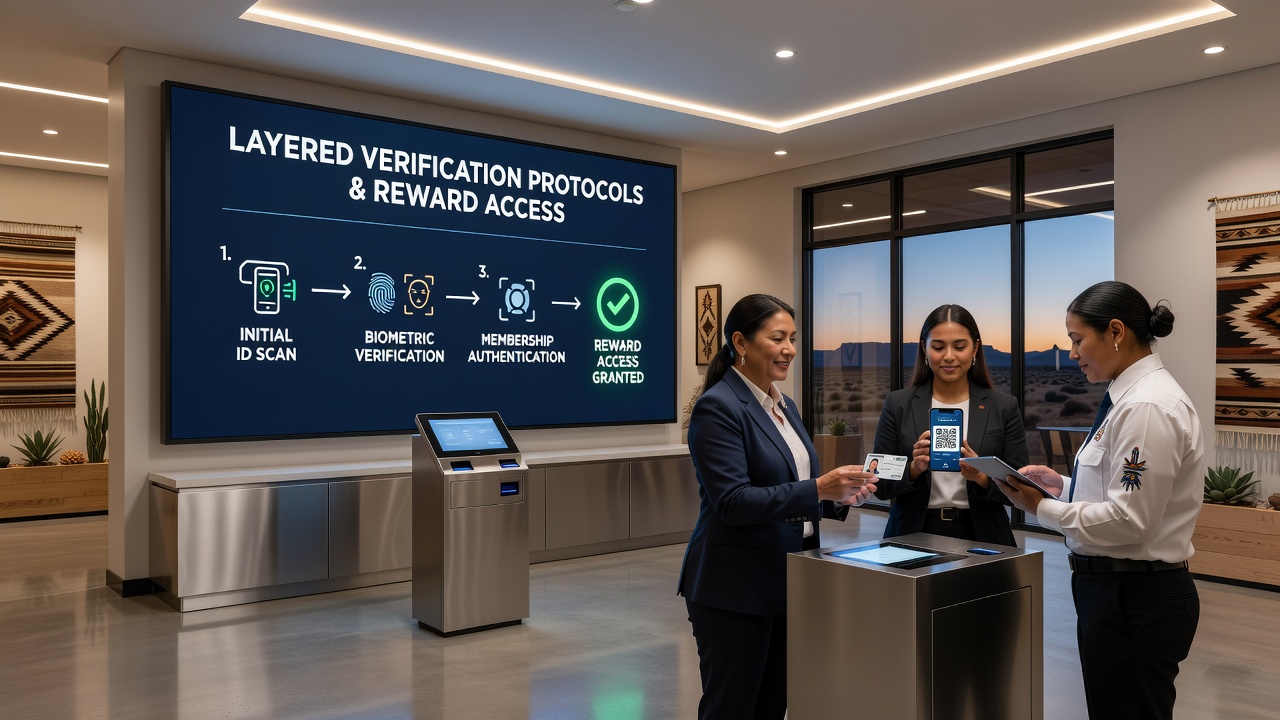 New tribal gaming destinations across the United States continue to expand in 2026, and layered verification protocols now determine how players reach promotional rewards, loyalty points, and exclusive bonuses. These systems combine identity checks, device authentication, and transaction monitoring so that rewards remain tied to verified accounts only. Observers note that facilities opening or upgrading this year integrate multiple security layers from teh moment of registration through reward redemption. The process begins with basic account creation followed by document upload for identity confirmation. Once regulators approve the initial layer, additional checks activate based on activity levels or reward thresholds. Data from the National Indian Gaming Commission shows that tribal operators reported increased compliance rates after adopting these sequential protocols in recent expansions. New sites in regions like the Southeast and Southwest have adopted similar frameworks since early 2026, aligning with state-tribal compacts that emphasize player protection. Experts tracking these developments point out that rewards such as free play credits or hotel upgrades require passage through each verification stage before release.
Core Components of Layered Verification in Tribal Settings
Multiple authentication stages operate in sequence rather than parallel, creating a controlled path to rewards. The first stage verifies government-issued identification and address details, while the second confirms payment methods through bank or card validation. A third layer often monitors behavioral patterns across sessions, flagging unusual activity before larger redemptions occur.
Research conducted by university gaming centers indicates that this staged approach reduces unauthorized access attempts by measurable margins in comparable regulated markets. Tribal gaming authorities apply these methods to both land-based and connected mobile platforms, ensuring consistency whether players access rewards on-site or through approved apps.
Facilities that opened phases in 2026 incorporated biometric options such as facial recognition or fingerprint scans at higher reward tiers. These additions sit atop earlier document checks, forming a cumulative barrier that must clear before points convert into tangible benefits like dining credits or event tickets.
Impact on Player Progression and Reward Timing
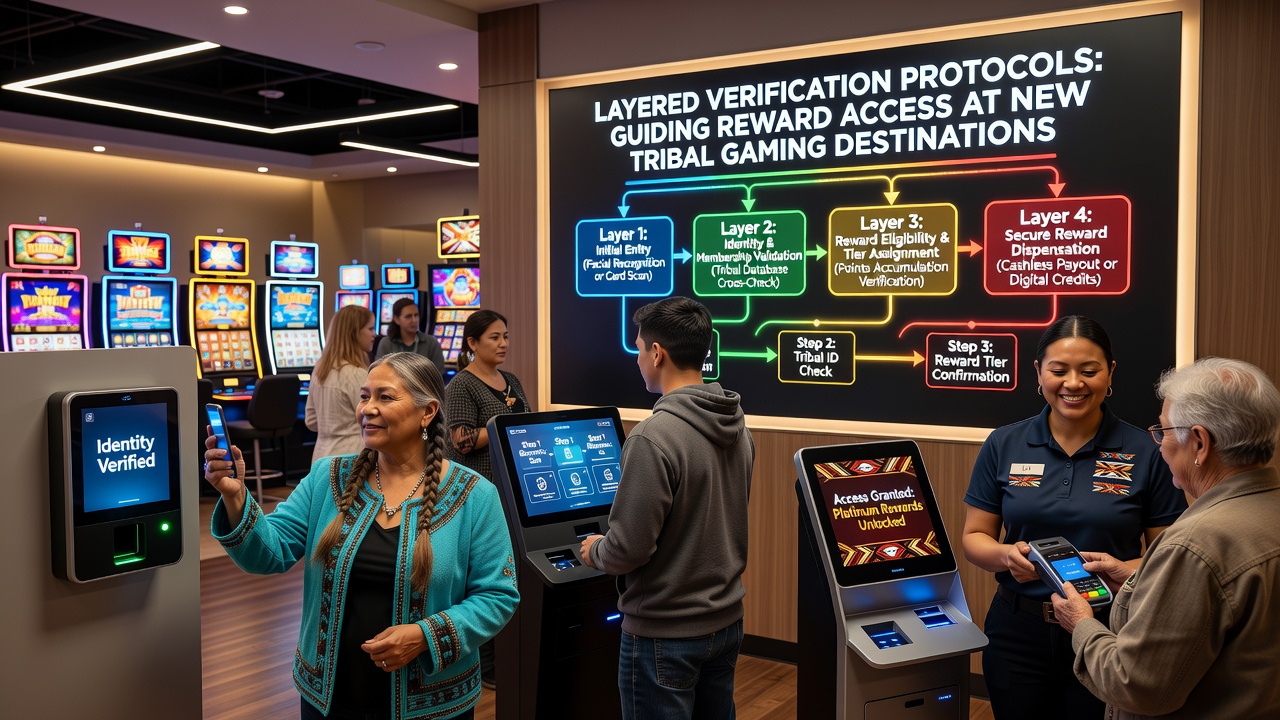
Players at newer tribal destinations encounter clear progression markers tied directly to verification completion. Initial rewards unlock after basic identity approval, yet larger promotions demand further device registration and transaction history review. Reports from industry associations highlight that average time from signup to first reward redemption now averages several days when full layering applies, compared with quicker access under single-step systems.
June 2026 updates at select properties introduced automated notifications that guide users through pending verification steps, reducing support ticket volume. Those notifications specify which documents or checks remain incomplete, allowing players to address gaps without repeated submissions. This structure maintains regulatory compliance while supporting the operational goals of newer gaming facilities.
Cross-device environments require additional synchronization checks so that progress on a desktop carries over to a mobile session only after re-authentication at the relevant layer. Studies from North American research institutions confirm that such synchronization lowers instances of duplicate accounts attempting to claim overlapping rewards.
Regulatory Alignment and Data Reporting
Tribal gaming commissions coordinate with state partners to enforce verification standards that match broader responsible gaming guidelines. Annual revenue reports filed with oversight bodies now include metrics on verification completion rates alongside traditional financial figures. These disclosures provide transparent tracking of how protocols influence reward distribution across player segments.
Operators at expanding destinations reference these reports when adjusting internal thresholds for reward access. For instance, loyalty programs at newer venues may require verified play volume over a set period before tier advancement occurs, ensuring rewards reflect sustained, authenticated engagement rather than one-time activity.
Future Developments at Tribal Gaming Sites
Additional tribal properties scheduled for phased openings later in 2026 plan to integrate emerging verification technologies such as blockchain-based transaction logs. These tools would create immutable records of each protocol layer passed, offering regulators and operators alike a clear audit trail for reward claims. Current implementations already demonstrate measurable improvements in account security and reward integrity according to compiled operational data.
Conclusion
Layered verification protocols continue shaping reward access at new tribal gaming destinations by establishing sequential gates that protect both operators and players. Facilities adopting these systems report structured progression toward benefits, supported by regulatory reporting and technological enhancements. As expansions proceed through 2026, the frameworks provide consistent standards across locations while adapting to device diversity and compliance requirements.