14 Jun 2026
Certification Protocols Shaping Bonus Experiences in Mobile and Desktop Platforms
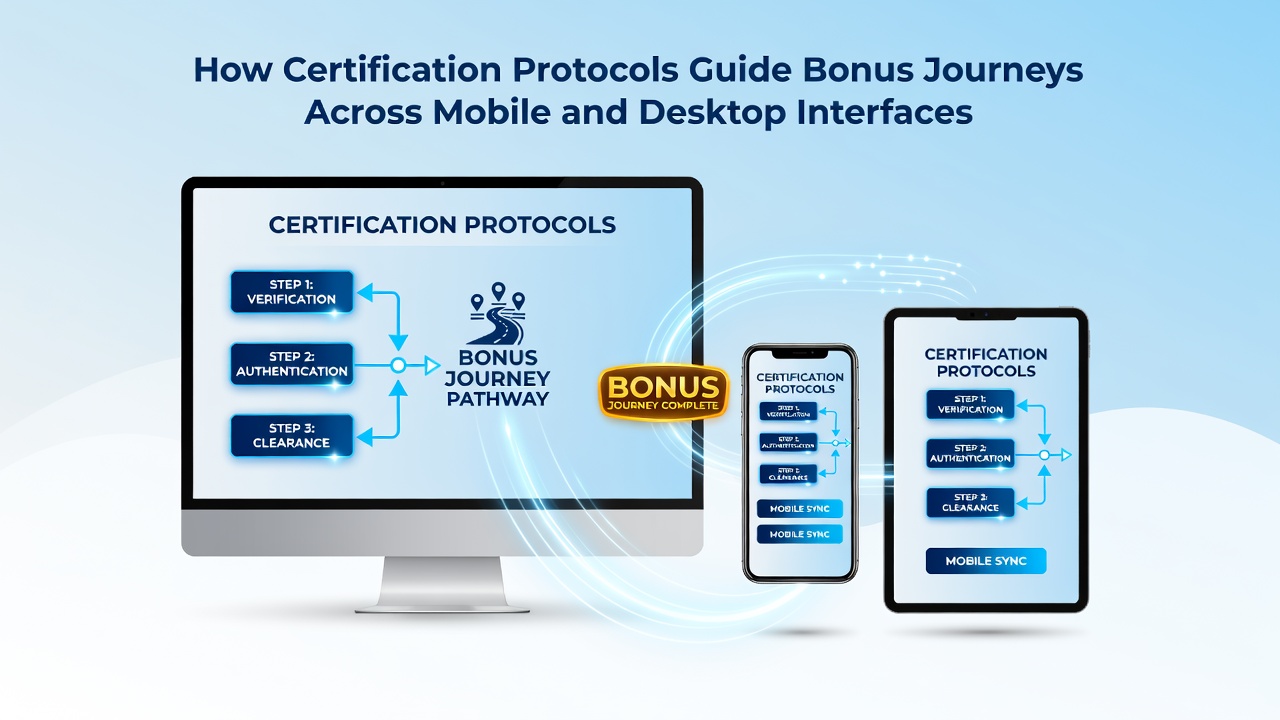 Certification protocols establish the structured pathways that bonuses follow from initial player registration through verification and final redemption, and these frameworks operate consistently yet adaptively across mobile and desktop interfaces in regulated gaming environments. Data from industry reports indicate that such protocols integrate security checks, eligibility validations, and compliance layers which together determine how promotional rewards progress without interruption regardless of device. Observers note that in June 2026 several platforms updated their systems to align with evolving standards, resulting in smoother transitions for users switching between interfaces during bonus journeys.
Core Elements of Certification Protocols
Certification protocols consist of layered requirements that include identity verification, financial transaction monitoring, and behavioral analysis tools designed to confirm player eligibility at each stage. Researchers have documented how these elements create checkpoints that prevent unauthorized access while allowing legitimate bonus progression to continue across platforms. When a player initiates registration on a desktop interface, the same protocol sequence activates upon switching to a mobile device, preserving continuity because the underlying certification database remains synchronized in real time.
Studies from academic sources reveal that protocols often incorporate multi-factor authentication combined with device fingerprinting to maintain consistency. This approach ensures that bonus eligibility flags set during one session transfer seamlessly to another interface without requiring repeated verifications in most cases. Those who've examined platform logs find that such synchronization reduces drop-off rates during cross-device journeys by significant margins according to aggregated performance metrics.
Interface-Specific Adaptations in Protocol Application
Mobile interfaces present unique challenges because of variable network conditions and smaller screen constraints, yet certification protocols address these through optimized data exchange methods that maintain the same validation rigor as desktop sessions. Experts have observed that protocols on mobile often prioritize lightweight API calls for quick checks while reserving heavier computations for desktop environments where processing power supports more detailed audits. This division allows bonus journeys to proceed at comparable speeds across both, with data indicating equivalent success rates for reward redemptions when protocols function as designed.
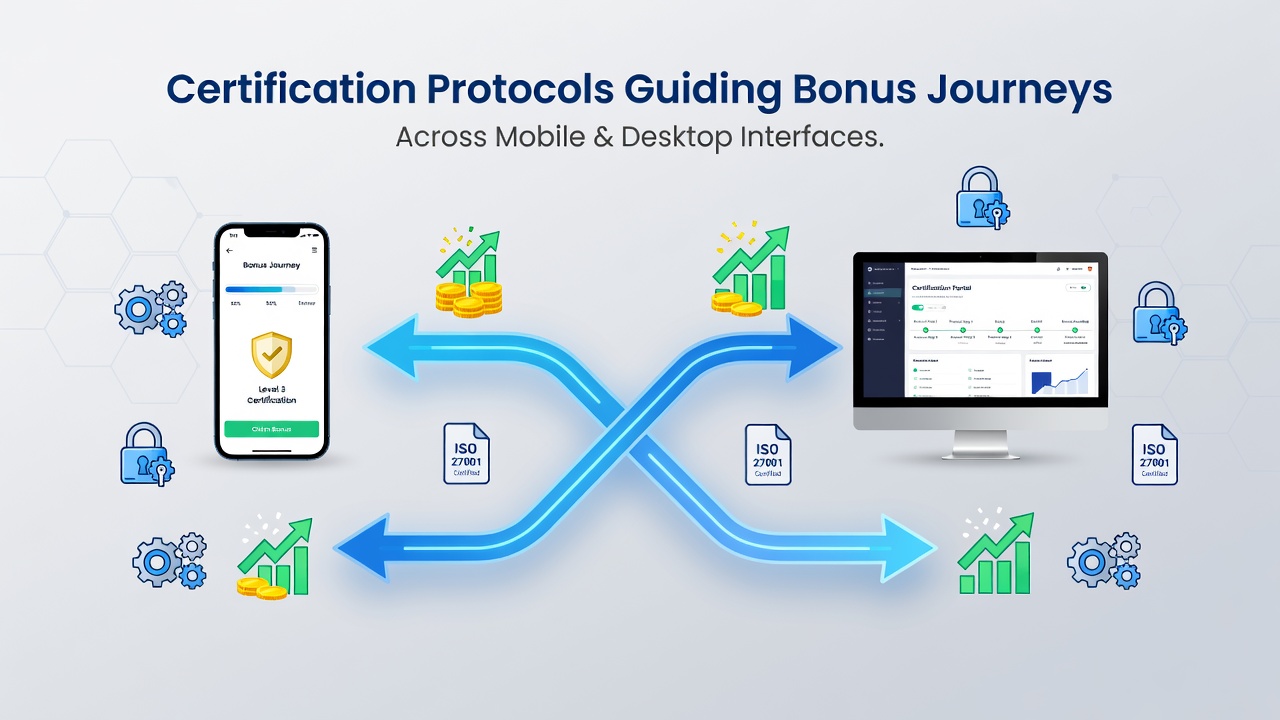
Desktop platforms meanwhile leverage broader bandwidth for comprehensive document uploads during verification phases, and protocols route these submissions through the same central certification servers used by mobile apps. One study revealed that players who begin bonus activation on desktop frequently complete redemption steps on mobile without protocol conflicts because the certification layers track state across sessions. What's interesting is how these adaptations maintain regulatory compliance uniformly, drawing from guidelines issued by bodies such as the Nevada Gaming Control Board which emphasize consistent standards regardless of access method.
Progression Stages Guided by Protocols
Bonus journeys typically advance through registration, identity confirmation, deposit verification, and reward unlocking, with each stage governed by certification requirements that validate actions before permitting forward movement. According to figures from regulatory filings in multiple jurisdictions, protocols enforce time-bound checks that align with local rules, preventing premature redemptions that could violate terms. People often find that switching devices mid-journey triggers an automatic protocol refresh that confirms ongoing eligibility without resetting prior progress.
Industry organizations have reported that integration of these stages across interfaces relies on shared databases updated in June 2026 to handle increased mobile traffic volumes. The reality is that protocols incorporate fallback mechanisms allowing desktop users to resume mobile-initiated bonuses seamlessly, and evidence suggests this design reduces support queries related to cross-platform issues by notable percentages in operational reviews.
Regulatory Influences on Protocol Design
Certification frameworks draw directly from requirements set by diverse authorities including the iGaming Ontario framework and similar entities in other regions, which mandate that bonus systems incorporate auditable trails accessible from any device. These mandates shape how protocols sequence verification steps to ensure transparency throughout the journey. Researchers discovered that platforms adhering to such standards experience fewer compliance incidents when users transition between mobile and desktop environments during active promotions.
Protocols also embed reporting functions that log each progression milestone, enabling regulators to review journeys holistically rather than in isolation by interface. This unified view supports ongoing refinements, particularly following updates implemented around mid-2026 that addressed emerging interface compatibility concerns in virtual gaming platforms.
Conclusion
Certification protocols continue to define the reliable structure underlying bonus journeys by enforcing consistent validations across mobile and desktop interfaces while accommodating device-specific optimizations. Data shows that this guidance supports compliant and uninterrupted reward progression when systems remain aligned with current regulatory expectations. Observers continue to track how further refinements in protocol layers will influence cross-platform experiences in subsequent periods.